
10/08/2026
Photographic Foundations: From Awe to Presence
Building a network of influence in my practice was not as easy and straightforward as I initially thought. A good place to start is the foundation: the classical ideal in photography.
Ansel Adams (1902 – 1984), is one of the first masters of the nature landscape photography. He inspired many professionals of the discipline in the 20th century. He’s characterized by those very simple but effective compositions that were able to net the complexity and highlight the natural subject.
Adams is not only remembered by his stunning photography. He used his imagery to push last century’s environmental conservation. He used visual aesthetics to do political lobbying, arguing that wilderness was vital to the human spirit and establishing a model for using art to secure government land protections.
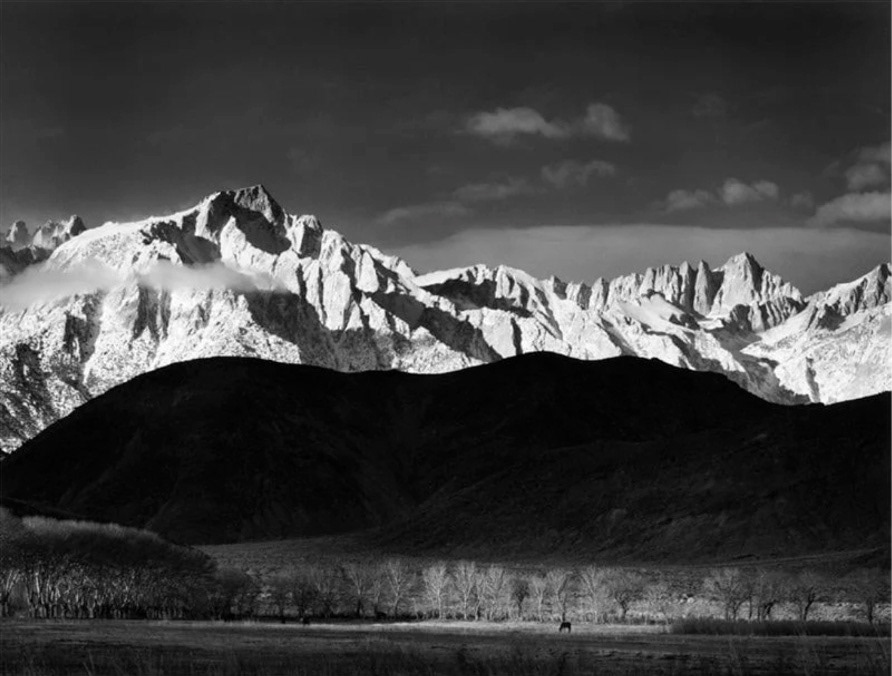
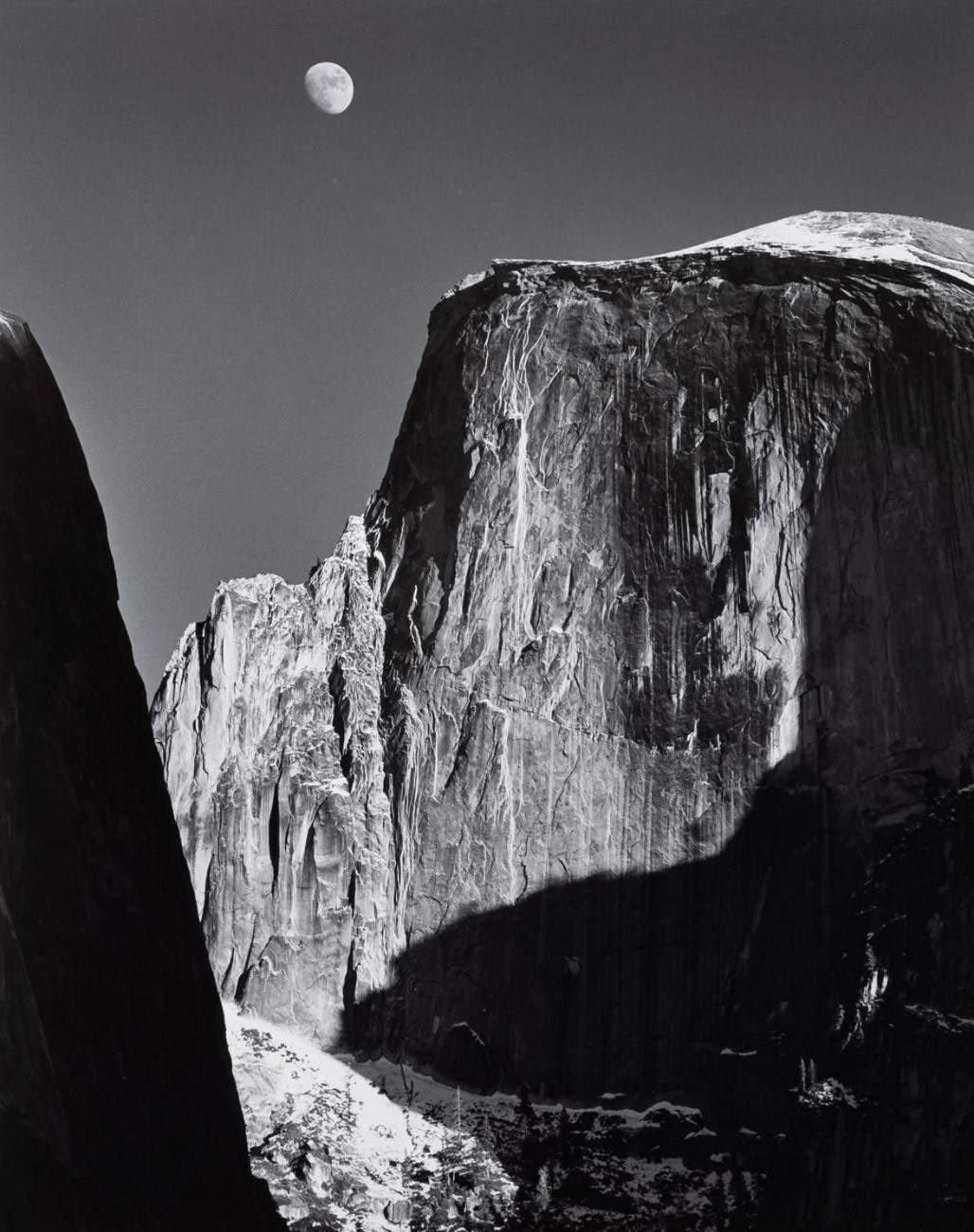
Ansel Adams. Left: Winter Sunrise. Right: Moon and Half Dome
Adams influence in my work style is significant. His sense of composition flawlessly combined with technical mastery produced some of last century’s most remembered nature photographs. My images tend to have his classical composition, looking to simplify the subject within the frame of an image.
Peter Lik (1959) adds the contemporary landscape techniques to the table. His immaculate images filled with saturated colors, cascading waterfalls, desert canyons or mountain peaks are captivating. He sells successfully his artwork in his own galleries in eleven cities spread around the world.
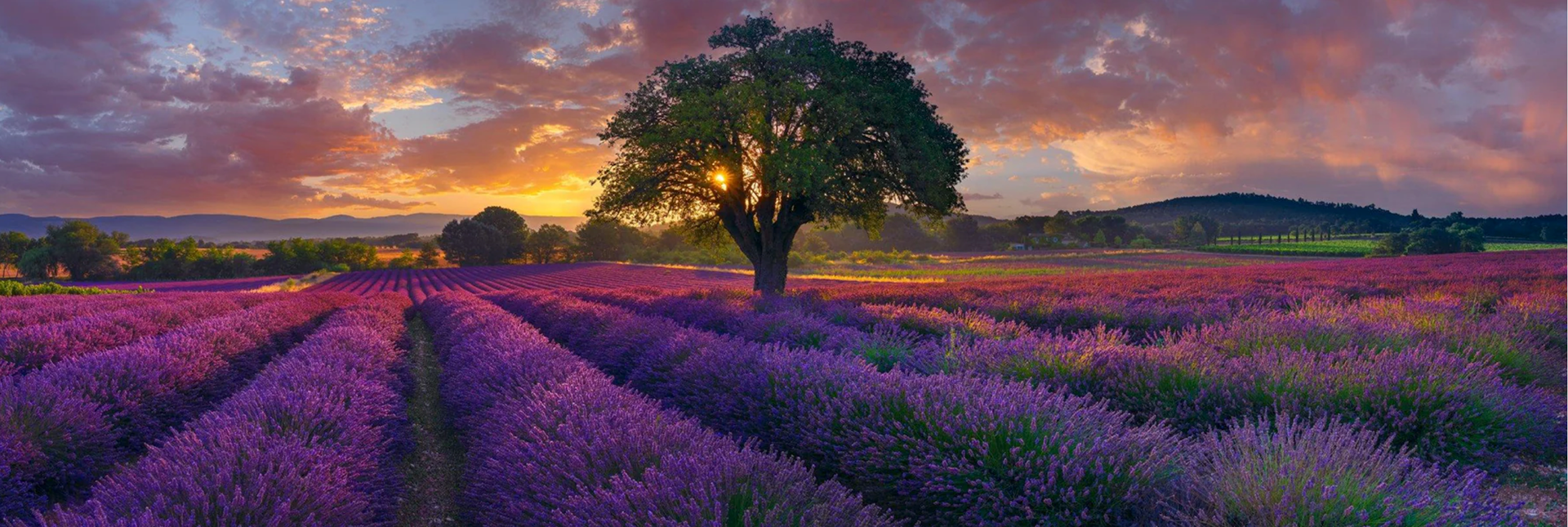
Peter Lik: A Morning in France
And to finish with grounding reality it is worth mentioning Jordi Bernadó (1966), a master of the image storytelling with his very large format prints. He is able to create whole projects with compelling stories for his audience.
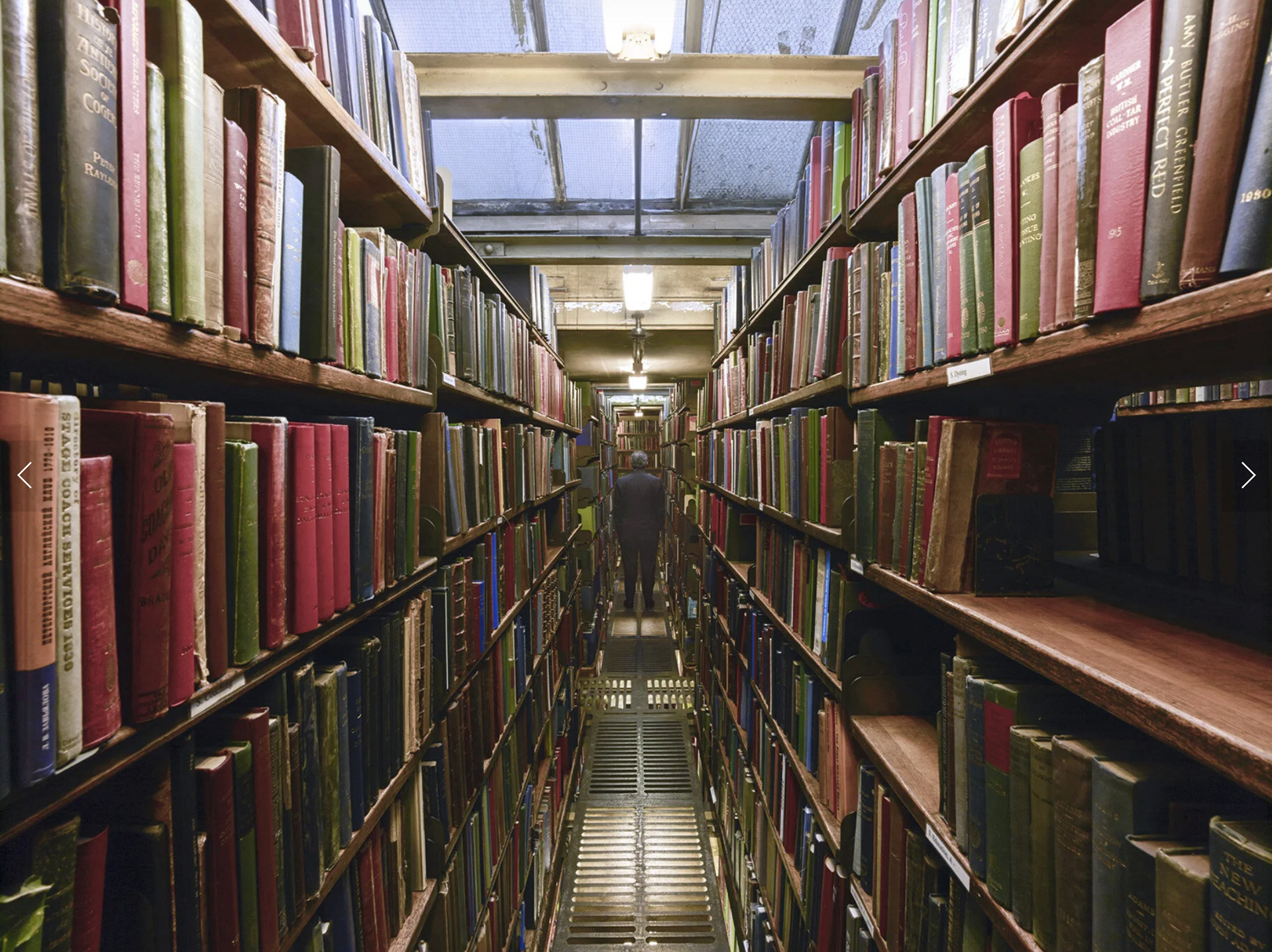

Jordi Bernadó. Left: ID Project – Jimmy Wales. Right: Welcome to Espaiñ
Three very different artists represent the foundation techniques of my work: nature landscape photography that aims to tell a story behind each image. However, times ask for an evolution of what has been the ideal visual. I believe artists need to move away from the consumer model that portraits nature as a decorative aesthetic resource.
Social and Ecological Advocacy: Humanizing Loss
Where Adams documented untouched wilderness to establish national parks, contemporary photographer Sebastião Salgado (1944-2025) documented threatened Amazonian ecosystems and native communities to demand immediate protection against destruction.
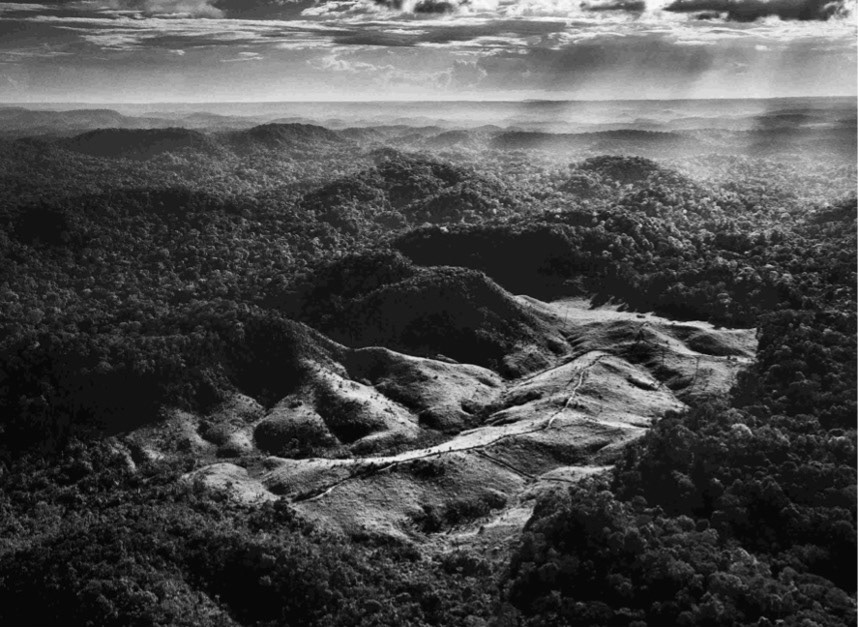
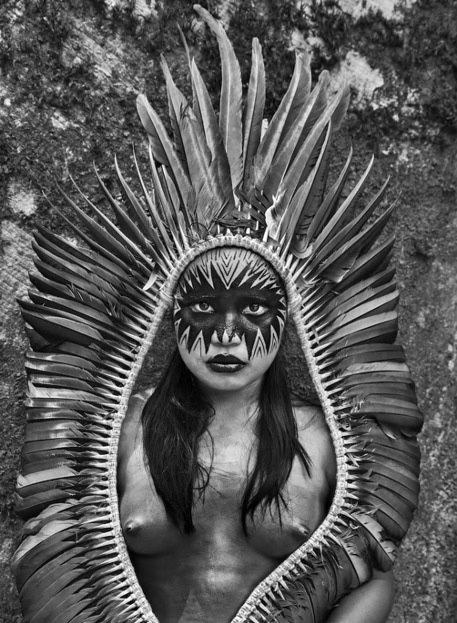
Sebastião Salgado, Amazonia
Salgado’s work acts as a "desperate cry" that humanizes environmental loss, proving that art must go beyond passive beauty. This element is critical in the development of my artistic process.
Data-driven and Ecological Art: The Tech Bridge
My artistic process has introduced technology to expand still images to other fronts and enable a different kind of interaction with the viewer. Thijs Biersteker (1983) defines himself as an ecological artist. He collaborates with scientists to produce data-driven artworks that explain complex scientific environmental issues with immersive installations and experiences.
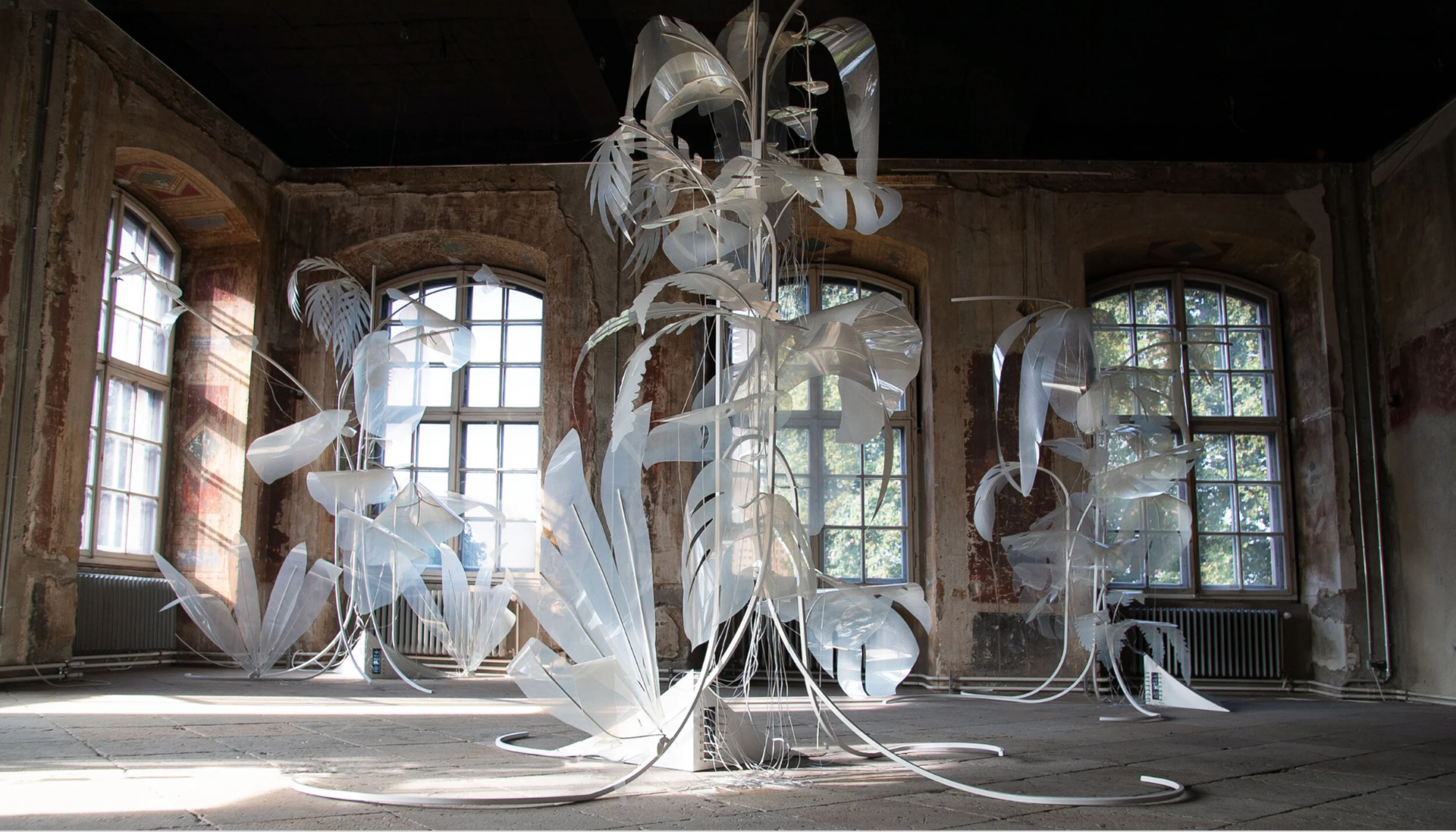
Thijs Biersteker. Left: Orgin. Rigth: Wither x Unesco
This type of influence sets the path in my artistic process to use technology, real-time engines and AI to create artwork that interacts in new ways with people than traditional photography.
Computational Media and Immersive Light
My journey asks for reference expansion outside classical and contemporary photography seeking an active interaction with the audience and new means to convey ecosystem conservation. My long-term objective, as mentioned, is elevate photography beyond passive beauty expressed in an image, that of course involves hard work, skills and dedication.
Joanie Lemercier (1982) uses light projections and digital installations mixing geometrical, organic and natural shapes to create immersive spaces from abstract constructs. From a different perspective, Refik Anadol (1985) employs real data and AI to generate complex shaders turning information into impressive immersive art full of imaginary nature that explodes before the audience. Both expand their audience reach through artwork that interacts actively with people.
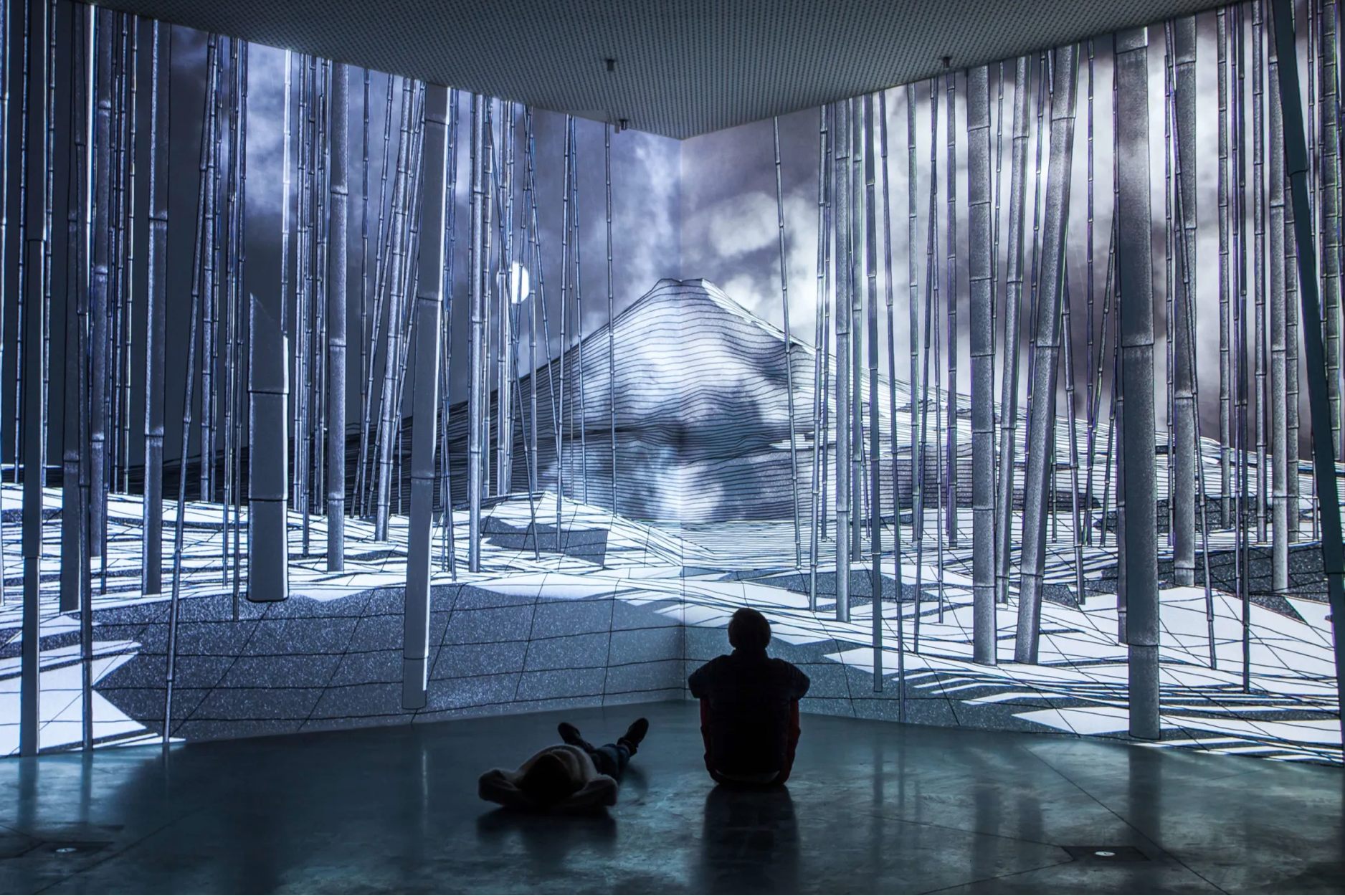
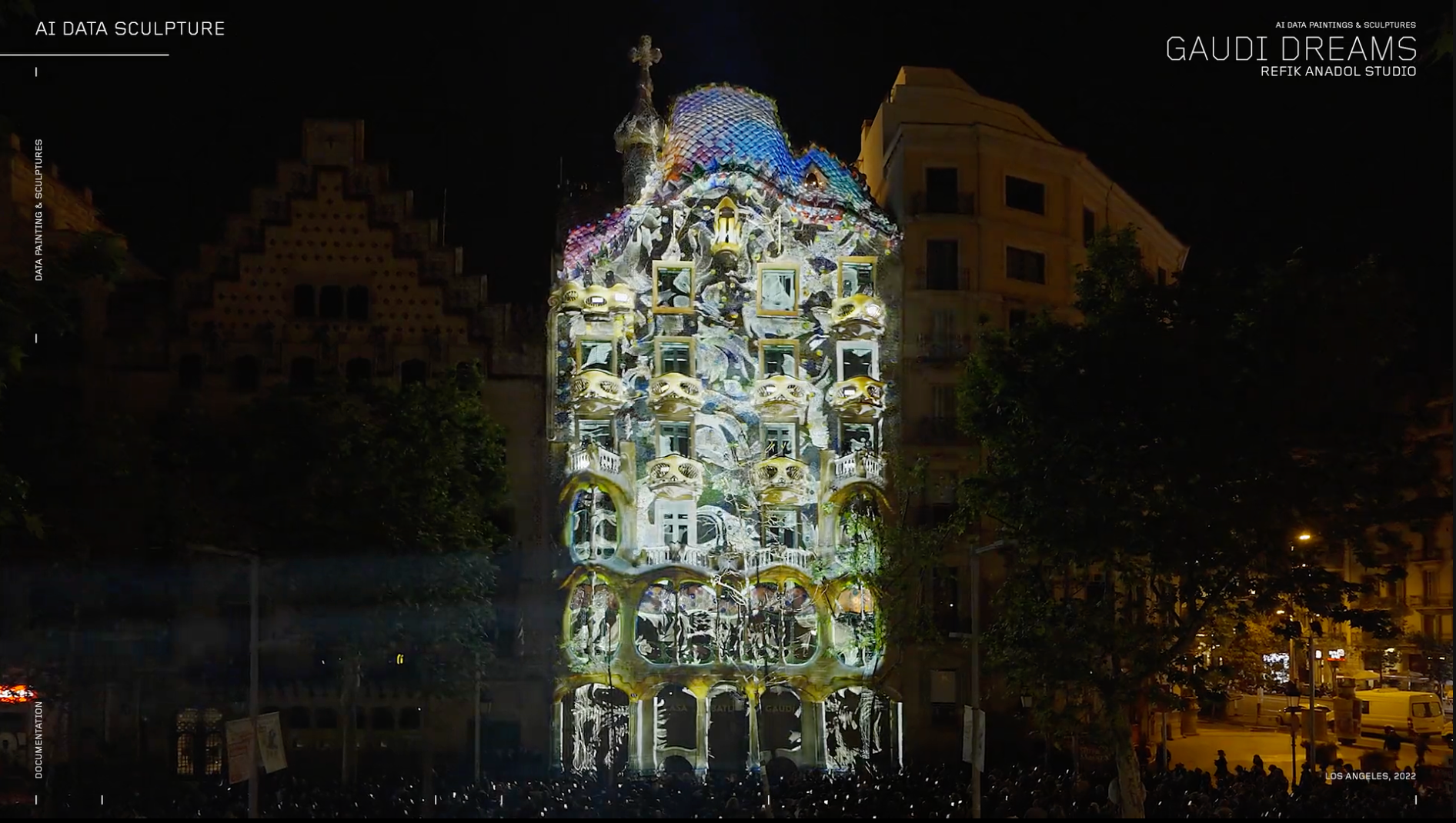
Left: Peter Lemercier, Fuji. Right: Refik Anadol, Casa Batlló
While I don’t see my work using AI and shaders to create abstract spectacles, I do look forward to apply these same set of technologies to highlight real natural presence contrasted with synthetic digital loss.
Conclusion
This relational network shows that my artistic practice is not isolated. It needs to live in the intersection of many artistic traditions. My foundation is firm in the classical and contemporary landscape photography, with the clean composition, presence and visual storytelling of Adams, Bernadó and Lik. However, this photographic foundation needs to evolve in perspective of the climate crisis.
Following Sebastião Salgado’s spirit of humanized advocacy, my work should move away of placing nature as a passive commodity, to using art as a voice for environmental conservation.