
15/07/2026
Grounding in Reality
The starting point is a small set of landscape images from my personal portfolio, all of them related to nature and particularly to water. Glaciers, streams, lakes, waterfalls and mist or fog have been pervasive subjects throughout years of exploring Catalonia, Spain and other European countries. It is a real starting point. And by real, I mean real places that exist today, some in locations near home, Barcelona, others more remote in other countries. All in Europe and surroundings.
Then the first technology I am employing is a still digital image. And I insist, from a real place that I have been lucky enough to presence and record with my lens.
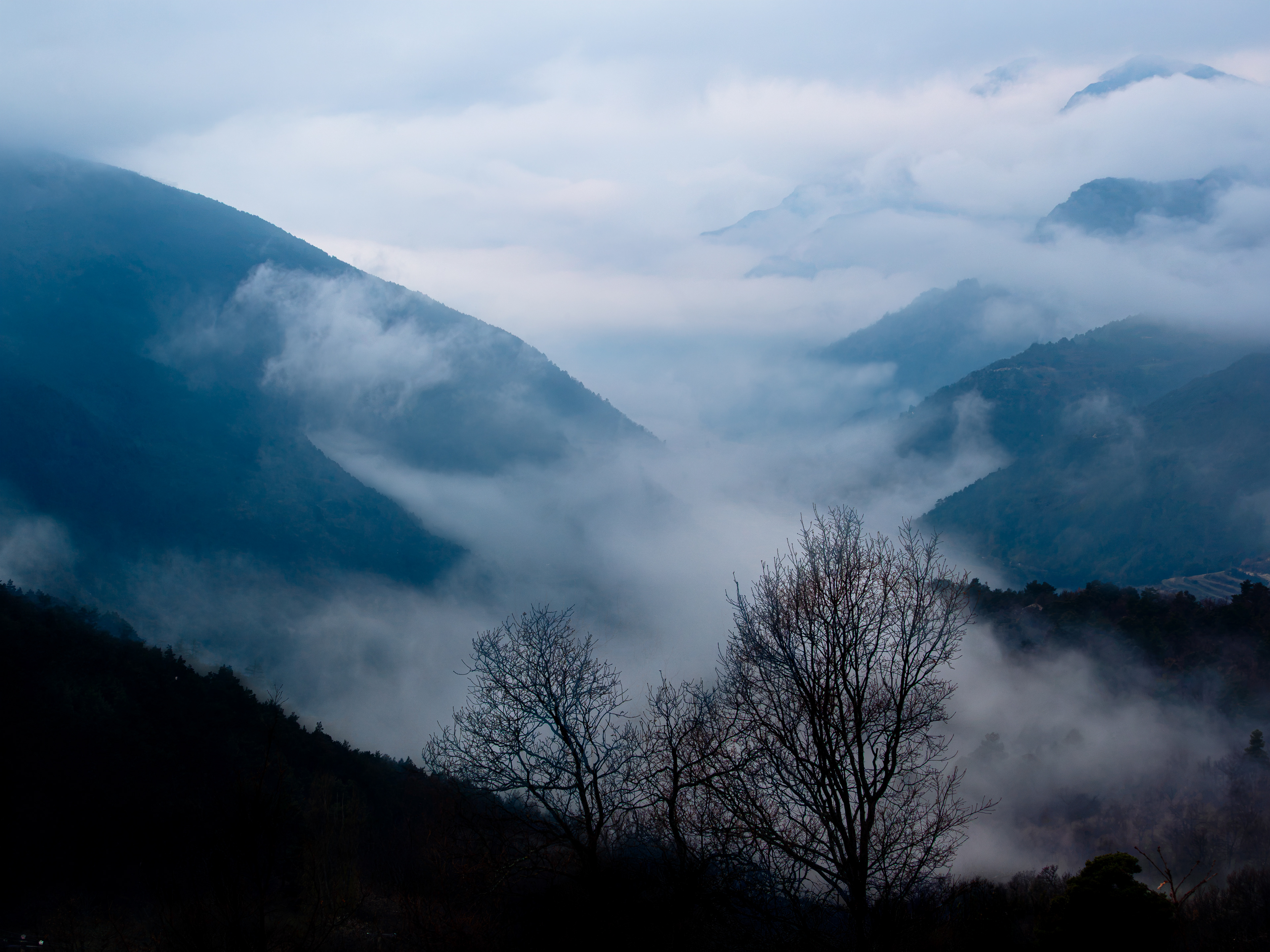
I want to address the existential crisis the art of Nature Landscape Photography, as I strongly believe a shift is urgently needed to prevent it from becoming just a collection of memories of a lost world. It must fundamentally evolve its tone from passive admiration of beautiful scenes to something different, maybe compelling viewers to do something and preserve the living ecosystems behind the lens. I will get to this point in later posts.
Let’s get back to the beginning. Water as a subject.
Water landscapes have intrinsic motion within. Even still waters have some movement. I guess that’s what captures my attention as a photographer. So, wouldn’t it make sense to get some of that motion back into a still image?
Technical Migration
With the techniques we have been learning in our Digital Arts Master’s, it is possible to restore that motion back into the still image without jeopardizing its sense of reality. Shader techniques within TouchDesigner or Unreal Engine can do the trick.
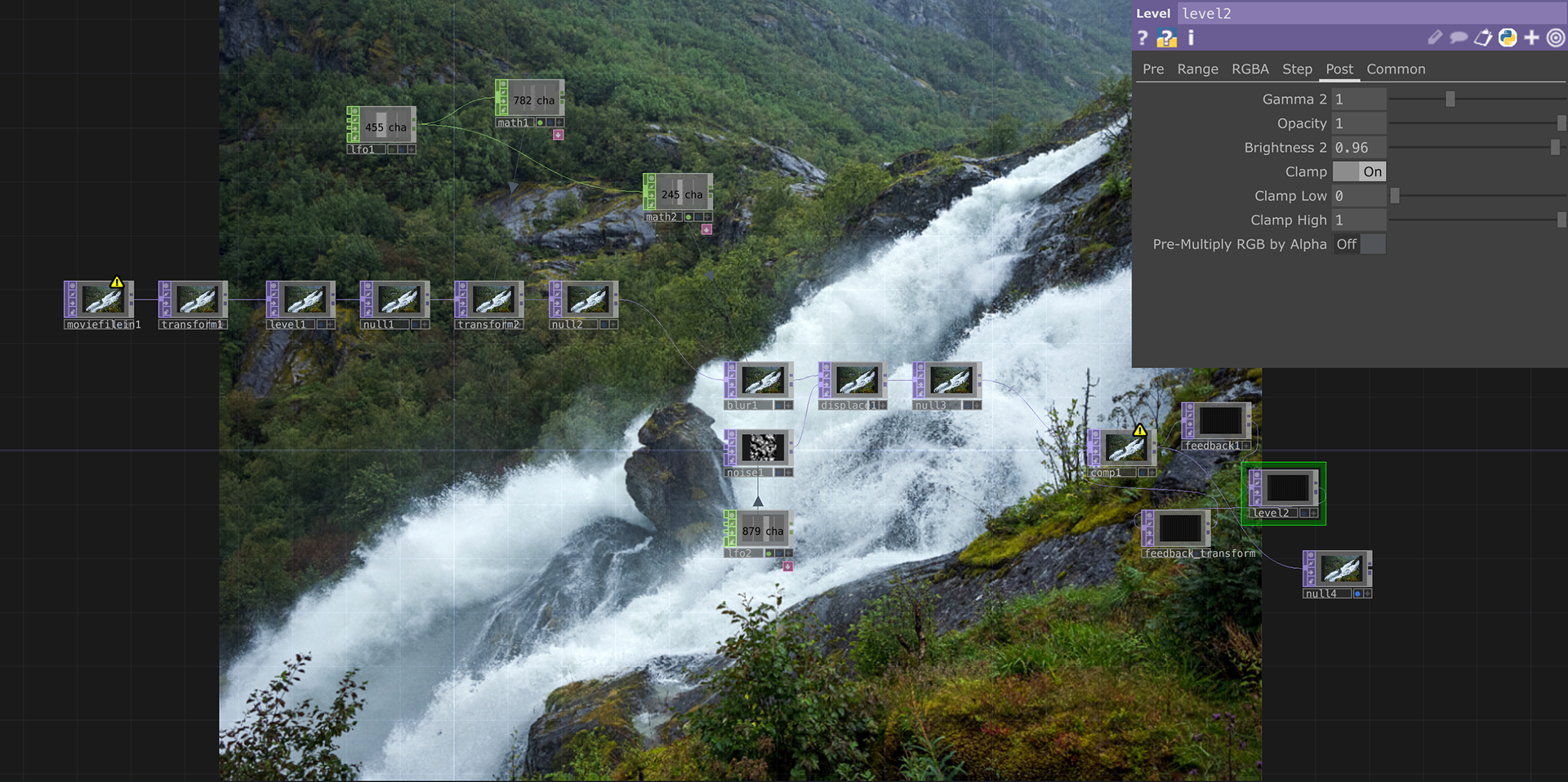
I decided to start my experiment with TouchDesigner. Animating a waterfall within an image was relatively successful. But even with its great flexibility I missed the workflow interactivity. The “what you see is what you get” way of doing things, the immediate feedback in Unreal Engine. Especially when you want to build new effects and you want to see right away how they look.
The next step came up easily. The second technology decision was to move my experimentation to Unreal Engine. I animated successfully three images.
The Layering and Shader Process
I used techniques available to photographers in image post-production tools like Adobe Photoshop, creating layers to isolate background and the areas to animate.
Then I used AI to change the background layer to remove those pieces. In a waterfall landscape I removed the water, leaving a very strange empty space where there was supposed to be some water falling. If the result was troubling, so was the workflow. I used AI to synthesize artificially the scene to erase a part of the scene to intentionally leave a shocking void.
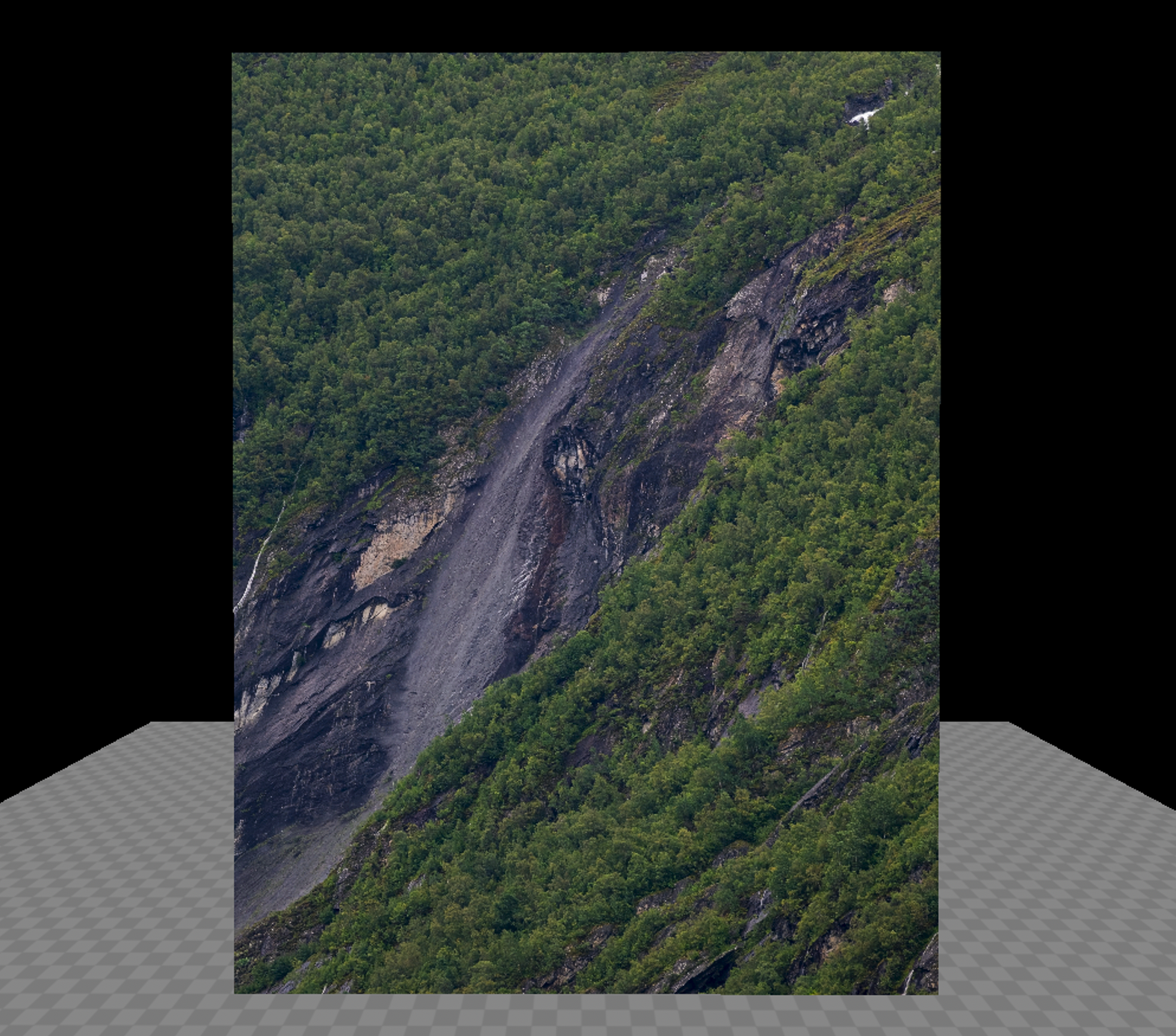
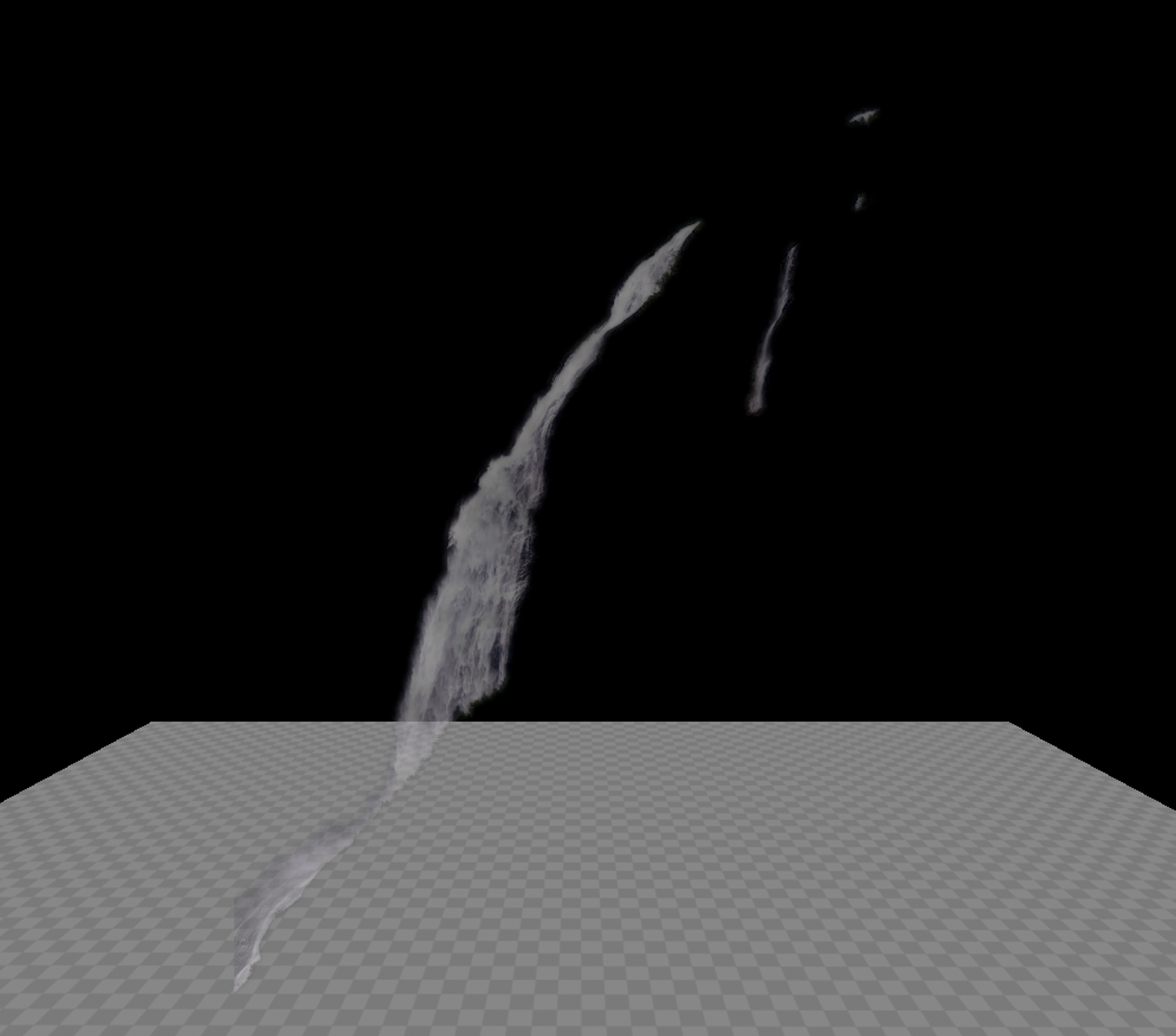
Those layers were brought to planes in Unreal Engine, starting with the background and then the layers to animate. To create the movement, shaders based on noise with displacements were used. I used technology to fill with code the water that did not exist anymore in the image. Is that an ethical concern? Perhaps triggering this alarm is necessary to prevent a future where code is the only alternative to experience a flowing waterfall.
Possibilities and Formal Limitations
The outcome of this experiment was satisfactory. I have the real images of water scenes and fog coming to life, using technologies I had not used before.
However, the journey is just starting. There is quite a bit of fine tuning that needs to be done to all the animations, even though the initial result is satisfactory. First, this stage only portraits a set of very aesthetic landscape photographs, now animated. Not different from what I could have done if instead of a still picture I had recorded a video.
However, a video recording is just that. A fixed recording of a past moment. Artistically, a real-time shader generates movement dynamically and later in the process it could respond to external variables like climate data, user presence or dryness levels.
And most importantly, this work has yet to convey a message beyond the idealized, decorative beauty. This must be the next big step in my artistic exploration.